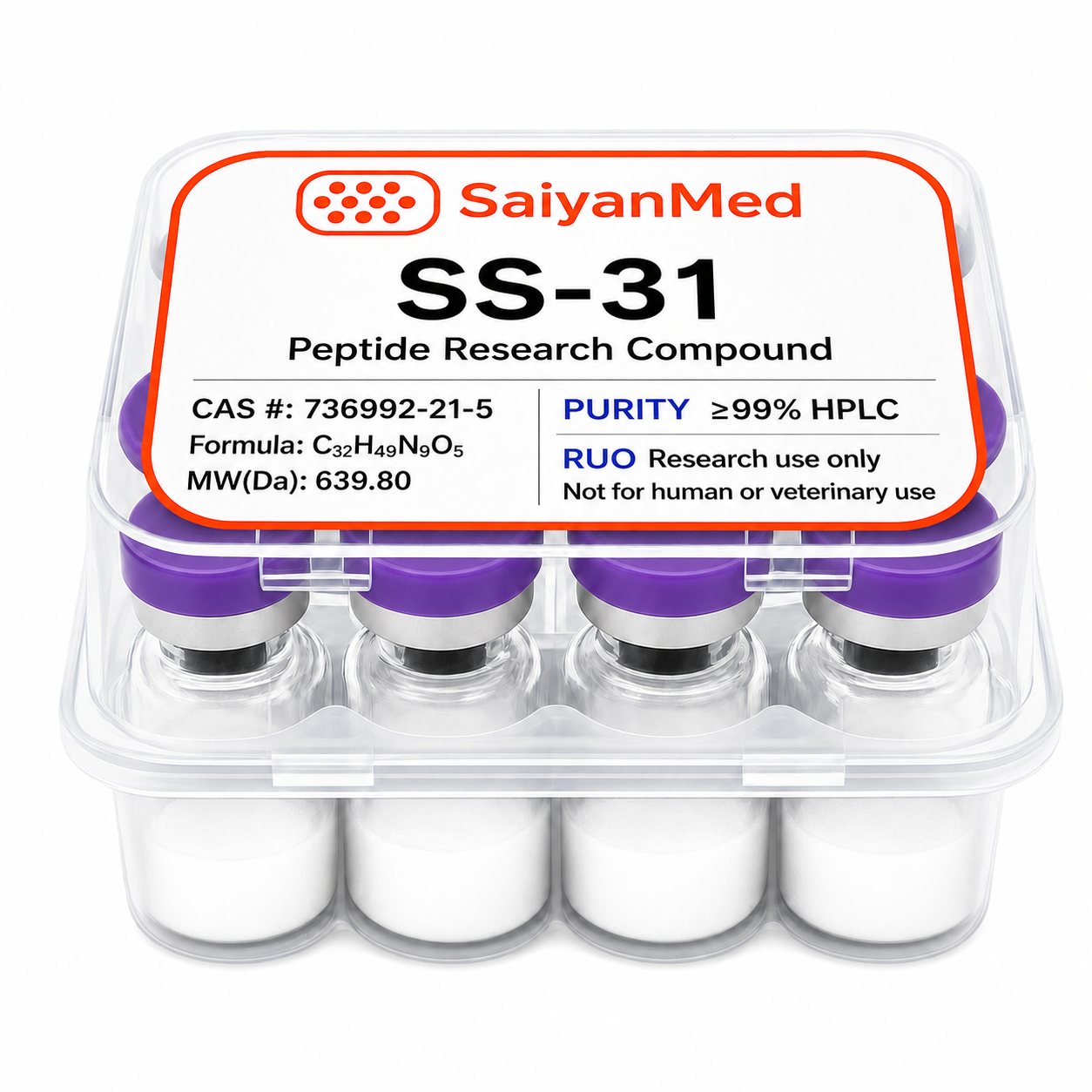
Description
/* Reset & Base */
* {
box-sizing: border-box;
margin: 0;
padding: 0;
}
body {
font-family: ‘Inter’, -apple-system, BlinkMacSystemFont, ‘Segoe UI’, Roboto, Helvetica, Arial, sans-serif;
background: #fff;
color: #1e1e1e;
line-height: 1.6;
}
/* Utilities */
.sm-container {
max-width: 1300px;
margin: 0 auto;
padding: 20px 32px 60px;
width: 100%;
}
.sm-flex {
display: flex;
flex-wrap: wrap;
}
.sm-grid-2 {
display: grid;
grid-template-columns: 1fr 1fr;
gap: 40px;
}
.sm-grid-3 {
display: grid;
grid-template-columns: repeat(3, 1fr);
gap: 24px;
}
.sm-grid-4 {
display: grid;
grid-template-columns: repeat(4, 1fr);
gap: 20px;
}
/* Tabs */
.sm-tab-input {
display: none;
}
.sm-panel {
display: none;
}
#sm-tab-product:checked~.sm-tab-nav label[for=”sm-tab-product”],
#sm-tab-disclaimer:checked~.sm-tab-nav label[for=”sm-tab-disclaimer”] {
background: #F27444;
color: #fff;
border-color: #F27444;
box-shadow: 0 8px 20px rgba(242, 116, 68, 0.25);
}
#sm-tab-product:checked~.sm-product-panel {
display: block;
}
#sm-tab-disclaimer:checked~.sm-disclaimer-panel {
display: block;
}
/* FAQ */
.sm-faq summary::-webkit-details-marker {
display: none;
}
.sm-faq[open] .sm-plus {
transform: rotate(45deg);
}
/* Chips */
.sm-chip {
display: inline-block;
padding: 8px 16px;
border-radius: 999px;
background: #fff4ef;
border: 1px solid #ffd9cb;
color: #F27444;
font-weight: 600;
font-size: 0.9rem;
margin: 4px 6px 4px 0;
letter-spacing: 0.02em;
}
/* Cards & Hover */
.sm-card {
background: #fff;
border: 1px solid #f0e8e4;
border-radius: 28px;
padding: 28px;
transition: all 0.2s ease-in-out;
}
.sm-card:hover {
transform: translateY(-4px);
box-shadow: 0 20px 40px -12px rgba(0, 0, 0, 0.08);
border-color: #F27444;
}
.sm-card-glow {
background: linear-gradient(135deg, #fff 0%, #fff8f5 100%);
border: 1px solid #ffe1d6;
}
/* Specs Zebra */
.sm-spec-grid {
display: grid;
grid-template-columns: 1fr 1fr;
}
.sm-spec-item {
padding: 16px 24px;
border-bottom: 1px solid #f0e8e4;
background: #fff;
}
.sm-spec-item:nth-child(odd) {
background: #fcfaf9;
}
/* Responsive */
@media(max-width:768px) {
.sm-container {
padding: 20px 16px 40px;
}
.sm-grid-2,
.sm-grid-3,
.sm-grid-4 {
grid-template-columns: 1fr !important;
gap: 20px;
}
.sm-spec-grid {
grid-template-columns: 1fr;
}
.sm-tab {
width: 100% !important;
text-align: center !important;
}
.sm-hero-title {
font-size: 32px !important;
}
h2 {
font-size: 24px !important;
}
}
/* Misc */
.sm-tab {
font-size: 1rem;
padding: 12px 32px;
border-radius: 999px;
background: #fff;
border: 1px solid #e0d6d0;
color: #1e1e1e;
cursor: pointer;
font-weight: 600;
transition: all 0.2s;
user-select: none;
}
.sm-tab:hover {
background: #fff4ef;
border-color: #F27444;
}
.sm-hero-bg {
background: radial-gradient(ellipse at 70% 20%, rgba(242, 116, 68, 0.04) 0%, rgba(255, 255, 255, 0) 70%);
}
/* Reference list item hover */
.ref-item {
padding: 16px 20px;
background: #fff;
border-radius: 16px;
border: 1px solid #f0e8e4;
transition: all 0.2s ease-in-out;
}
.ref-item:hover {
border-color: #F27444;
box-shadow: 0 4px 12px rgba(242, 116, 68, 0.08);
}
.ref-item a {
color: #F27444;
font-weight: 700;
text-decoration: none;
}
.ref-item a:hover {
text-decoration: underline;
}
SaiyanMed Research Grade
SS-31
Elamipretide · Bendavia · MTP-131
10‑Vial Kit · Mitochondria‑targeted tetrapeptide
Research-grade SS‑31 (Elamipretide) is a 4‑amino‑acid aromatic‑cationic tetrapeptide that has been reported to preferentially accumulate in the inner mitochondrial membrane via electrostatic and aromatic interactions with cardiolipin. In research models, this interaction is associated with stabilisation of cristae architecture, preservation of electron transport chain (ETC) complex organisation, reduced mitochondrial ROS production, and maintained ATP synthesis efficiency under ischemic and oxidative stress conditions. Each vial is lyophilised, ≥99% HPLC pure, MS‑confirmed, and supported by publicly verifiable third-party COAs published in our Trust Center. For research use only — not for human or veterinary use.
≥99% HPLC
MS Confirmed
Third-Party COA
Lyophilised
10‑Vial Kit
Cardiolipin‑Binding Tetrapeptide
Inner Mitochondrial Membrane
This aromatic‑cationic tetrapeptide has been shown to preferentially associate with the inner mitochondrial membrane, where it interacts with cardiolipin. Research suggests this interaction may contribute to cristae stabilisation, support ETC complex organisation, and influence mitochondrial ROS production and ATP synthesis under stress conditions.
4 AA
CAS 736992-21-5
RUO
C₃₂H₄₉N₉O₅
Research Context
Mitochondrial Research Tool
SS‑31 is employed in mechanistic research into mitochondrial bioenergetics, cardiolipin interaction, cristae stabilisation, and oxidative stress models. It serves as a reference compound for studies in cardiac, neurodegenerative, and metabolic research fields.
Cardiolipin Binding
ETC Preservation
Mitochondrial ROS
ATP Synthesis
What is SS‑31?
SS‑31 (Elamipretide — also known as Bendavia and MTP‑131) is a 4‑amino‑acid aromatic‑cationic tetrapeptide (Ar‑2’6’‑Dmt‑Lys‑Phe‑NH₂) that has been designed to target the inner mitochondrial membrane. It binds to cardiolipin — a signature phospholipid of the mitochondrial cristae — via electrostatic and aromatic interactions, with studies reporting a significant enrichment in mitochondrial fractions relative to the cytosol.
This binding has been shown to stabilise cristae architecture, preserve the organisation of electron transport chain (ETC) complexes, and reduce mitochondrial superoxide production in various experimental models, which may contribute to maintained ATP synthesis efficiency under conditions of ischaemia, oxidative stress, and metabolic dysfunction. SS‑31 has been investigated as a reference compound in cardiovascular, neurodegenerative, and metabolic research, including proof-of-concept and Phase 2 investigational studies such as STELA and MEND‑HF.
As a small tetrapeptide, SS‑31 is distinguished from larger peptide therapeutics by its high mitochondrial affinity, rapid tissue penetration, and favourable stability profile in research settings.
🧪 Research Applications
①
Cardiolipin Binding
Research into inner mitochondrial membrane cardiolipin interaction and its role in cristae stabilisation and mitochondrial ultrastructure.
②
ETC Complex Organisation
Studies examining the preservation of Complex I–IV organisation under ischaemic and oxidative stress conditions.
③
Mitochondrial ROS
Investigations into superoxide reduction at the electron transport chain and mitochondrial antioxidant mechanisms.
④
Cardiac Bioenergetics
Research models of heart failure, including reference to proof-of-concept and Phase 2 investigational studies (STELA, MEND‑HF, PROGRESS‑HF).
⑤
Neurodegeneration
Studies of mitochondrial dysfunction in Alzheimer’s (AD), Parkinson’s (PD), and ALS research models.
⑥
Metabolic & Ageing Research
Investigations into mitochondrial energetics in metabolic syndrome, sarcopenia, and ageing research models.
📊 Quick Specs
Form: Lyophilised powder (white to off‑white)
Purity: ≥99% by HPLC
Identity: MS molecular‑weight confirmed
CAS Number: 736992‑21‑5
Also Known As: Elamipretide · Bendavia · MTP‑131
Sequence: Ar‑2’6’‑Dmt‑Lys‑Phe‑NH₂ (4 amino acids)
Molecular Formula: C₃₂H₄₉N₉O₅
Molecular Weight: ~639.8 Da
Target: Inner mitochondrial membrane · Cardiolipin
Mechanism: Cardiolipin binding · Cristae stabilisation · ETC preservation
Peptide Type: Aromatic‑cationic tetrapeptide
Kit Size: 10 vials (two strength options available)
COA: Third-party lab tested — publicly verifiable
Manufacture: In‑house Fmoc SPPS — lyophilised & QC‑released
Storage: −20°C sealed | 2–8°C reconstituted (up to 28 days)
Shelf Life: 24 months unopened (lyophilised)
VERIFIED
Certificate of Analysis
Independent Third-Party Validation
Transparency is central to our quality assurance. Batches undergo orthogonal analytical testing by an independent third-party analytical testing service. The resulting Certificate of Analysis (COA) details specific HPLC chromatograms and MS spectra for that lot. End‑users can cross‑validate the document online via the SaiyanMed Trust Center using the unique batch identifier printed on the vial label.
Batch‑specific documentation ensures full traceability for your laboratory records. Always confirm the batch reference matches the product vial before use.
📦 Storage & Handling
🧊 Storage
Lyophilised vials: store at −20°C, sealed, protected from light and moisture. After reconstitution: store at 2–8°C and use within 28 days (study‑defined stability window). Avoid repeated freeze‑thaw cycles. The aromatic residues in SS‑31 provide good structural stability; however, avoid oxidising conditions and prolonged light exposure. Do not use if the reconstituted solution is cloudy or contains visible particles.
💧 Reconstitution
Add 1–2 mL of sterile bacteriostatic water or sterile diluent slowly down the inside wall of the vial. Do not shake or vortex; swirl gently until fully dissolved. SS‑31 is a small tetrapeptide that dissolves immediately to a clear, colourless solution. Prepare working dilutions according to your laboratory protocol.
🚚 Fulfillment & Transit Notice
Global logistics: To maintain structural integrity, lyophilised peptides are shipped in thermally insulated packaging. While in transit, the product remains stable at ambient temperatures for the typical 7–14 day window. Upon arrival, immediate refrigeration at −20°C is recommended.
Warehouse origin: We strategically ship from the nearest fulfillment centre to reduce transit time. US orders are dispatched domestically (5–7 days); international orders ship from our Asian logistics hub (estimated 7–14 business days).
Customs & duties: While we handle export documentation, import duties or customs inspections are standard procedures for research chemicals and remain the responsibility of the consignee. Delays due to customs are a normal part of international shipping and do not indicate a product issue.
Delays or holds: If your shipment exceeds the estimated window or is held in customs, contact us with your order reference. Our support team will intervene with tracking and carrier coordination, and where applicable, arrange a reshipment per our policy.
Damaged or incorrect items: Inspect your order immediately upon arrival. If a vial is damaged or an item is incorrect, contact us within the stated policy period with photos for prompt resolution.
⚠️
Research Use Only
This material is supplied only for qualified laboratory research and is not intended for human or veterinary use.
Research Use Only
Not for Human Consumption
SaiyanMed products are strictly for in vitro and in vivo laboratory research. They are not intended for diagnostic, therapeutic, medical, disease‑prevention, consumer health, or personal use.
All SaiyanMed products are supplied for laboratory, scientific, and research use only. They are not for human consumption, medical treatment, diagnosis, disease prevention, or veterinary use.
✅ Buyer Confirmation
✓ You are a qualified researcher or acting under the supervision of one.
✓ Products will only be used for legitimate research purposes.
✓ Products are not evaluated by the FDA or any regulatory authority for human use.
✓ You assume responsibility for legal compliance, proper handling, storage, and disposal.
No Warranty: Products are sold “as is,” with no express or implied warranties regarding efficacy, safety, or suitability. Results in research may vary. SaiyanMed is not responsible for outcomes, interpretations, or conclusions drawn from any studies conducted using these products.
🛡️ General Safety & Handling
🚫 Not for Human Use
These compounds are for research only. Any off‑label, personal, or clinical use is outside the intended scope.
🥽 PPE Required
Always use appropriate personal protective equipment, including gloves, lab coat, and eye protection.
🌡 Storage Compliance
Follow product‑specific storage conditions to maintain identity, purity, and biological activity.
🗑 Proper Disposal
Dispose of all materials according to institutional biosafety, chemical waste, and hazardous material protocols.
🧾 Verify Quality
Verify batch identity, MS confirmation, HPLC purity, and COA status before research use.
⚖ Legal Compliance
Researchers are responsible for lawful purchase, possession, storage, and use in their jurisdiction.
💬 Frequently Asked Questions
How do I reconstitute SS‑31?+
Add 1–2 mL of sterile bacteriostatic water to the lyophilised SS‑31 (Elamipretide) vial. SS‑31 is a small tetrapeptide (Ar‑2’6’‑Dmt‑Lys‑Phe‑NH₂) that dissolves immediately to a clear, colourless solution. Swirl gently — do not shake or vortex.
How should SS‑31 be stored?+
Store lyophilised vials at −20°C, protected from light and moisture. After reconstitution with sterile diluent, store at 2–8°C for up to 28 days. The aromatic residues in SS‑31 provide good structural stability; however, avoid oxidising conditions and prolonged light exposure.
What purity is SaiyanMed SS‑31 and how is it verified?+
SaiyanMed SS‑31 (Elamipretide/Bendavia) is ≥99% HPLC pure with MS‑confirmed tetrapeptide identity on published lots. COAs are published for tested lots and are independently verifiable at SaiyanMed Trust Center using the batch‑specific identifier.
What is the mechanism of SS‑31?+
SS‑31 is an aromatic‑cationic tetrapeptide that has been shown to bind to cardiolipin on the inner mitochondrial membrane, with studies reporting a significant enrichment in mitochondrial fractions. This interaction is associated with stabilisation of cristae architecture, preservation of electron transport chain (ETC) complex organisation, reduced mitochondrial ROS production, and maintained ATP synthesis efficiency under oxidative stress in research models.
Where does it ship from?+
Orders are dispatched from the nearest available warehouse — US domestic orders from our US fulfillment centre (5–7 days), international orders from our Asian hub (7–14 days). Tracking is provided for all shipments.
Is this intended for human use?+
No. This material is strictly for laboratory research use only and is not intended for human consumption, diagnosis, treatment, disease prevention, or any personal use. It is not a pharmaceutical product.
📚 References
PubChem:
Elamipretide | C₃₂H₄₉N₉O₅ | CID 11764719.
View at PubChem ↗
Szeto HH, Schiller PW. (2011):
Novel therapies targeting inner mitochondrial membrane—from discovery to clinical development.
Pharm Res 28(11):2669-2679. PMID: 21638136.
View at PubMed ↗
Birk AV, Liu S, Soong Y, et al. (2013):
The mitochondrial‑targeted compound SS‑31 re‑energizes ischemic mitochondria by interacting with cardiolipin.
J Am Soc Nephrol 24(8):1250-1261. PMID: 23813215.
View at PubMed ↗
Daubert MA, Yow E, Dunn G, et al. (2017):
Novel Mitochondria‑Targeting Peptide in Heart Failure Treatment: A Randomized, Placebo‑Controlled Trial of Elamipretide.
Circ Heart Fail 10(12):e004389. PMID: 29217757.
View at PubMed ↗
Butler J, Khan MS, Anker SD, et al. (2020):
Effects of Elamipretide on Left Ventricular Function in Patients With Heart Failure With Reduced Ejection Fraction: The PROGRESS‑HF Phase 2 Trial.
J Card Fail 26(5):429-437. PMID: 32068002.
View at PubMed ↗
STELA Trial (HFpEF):
A Phase 2 Study to Evaluate the Effects of 4 Weeks Treatment With Subcutaneous Elamipretide on Left Ventricular Function in Subjects With Stable Heart Failure With Preserved Ejection Fraction (HFpEF).
ClinicalTrials.gov Identifier: NCT02814097.
View at ClinicalTrials.gov ↗
Reviews
There are no reviews yet.