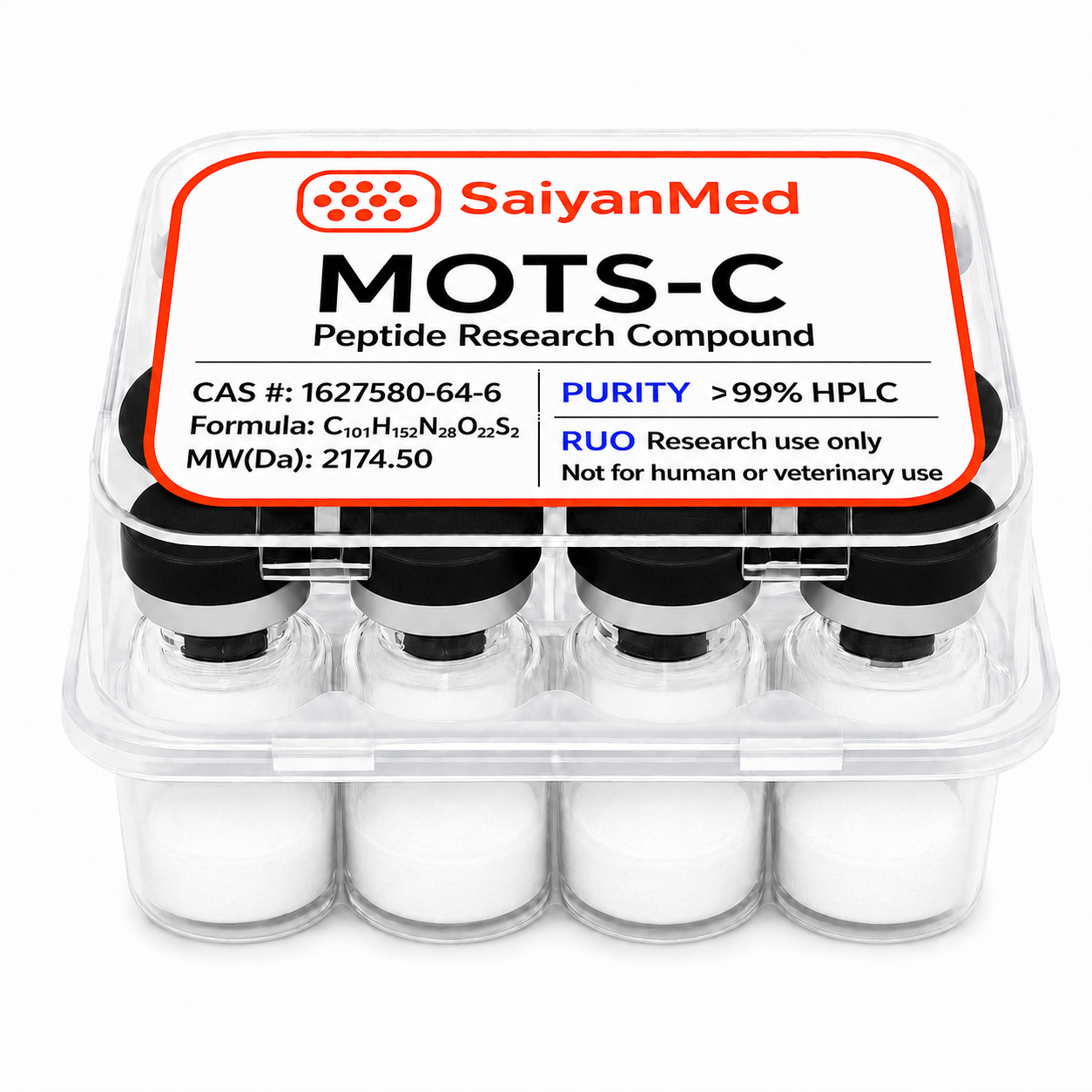
Description
* {
box-sizing: border-box;
margin: 0;
padding: 0;
}
:root {
–sm-coral: #F27444;
–sm-coral-soft: #fff4ef;
–sm-coral-border: #ffd8c9;
–sm-teal: #F27444;
–sm-teal-dark: #c85d34;
–sm-teal-soft: #fff4ef;
–sm-teal-border: #ffd9cb;
–sm-mint: #fff4ef;
–sm-navy: #111111;
–sm-ink: #15191b;
–sm-text: #354044;
–sm-muted: #647176;
–sm-line: #f0e8e4;
–sm-warm: #fcfaf9;
–sm-white: #fff;
}
body {
font-family: ‘Inter’, -apple-system, BlinkMacSystemFont, ‘Segoe UI’, Roboto, Helvetica, Arial, sans-serif;
background: #fff;
color: var(–sm-ink);
line-height: 1.65;
}
a {
color: var(–sm-coral);
}
.sm-container {
width: 100%;
max-width: 1300px;
margin: 0 auto;
padding: 20px 32px 60px;
}
.sm-grid-2 {
display: grid;
grid-template-columns: repeat(2, minmax(0, 1fr));
gap: 40px;
}
.sm-grid-3 {
display: grid;
grid-template-columns: repeat(3, minmax(0, 1fr));
gap: 22px;
}
.sm-grid-4 {
display: grid;
grid-template-columns: repeat(4, minmax(0, 1fr));
gap: 18px;
}
.sm-section-title {
font-size: 29px;
line-height: 1.2;
font-weight: 820;
letter-spacing: -0.02em;
color: var(–sm-ink);
margin: 0 0 24px;
}
.sm-kicker {
color: var(–sm-coral);
font-size: 0.82rem;
font-weight: 780;
letter-spacing: 0.11em;
text-transform: uppercase;
margin-bottom: 8px;
}
/* Tabs */
.sm-tab-input,
.sm-panel {
display: none;
}
#sm-tab-product:checked ~ .sm-tab-nav label[for=”sm-tab-product”],
#sm-tab-disclaimer:checked ~ .sm-tab-nav label[for=”sm-tab-disclaimer”] {
background: var(–sm-teal);
border-color: var(–sm-teal);
color: #fff;
box-shadow: 0 10px 24px rgba(242, 116, 68, 0.22);
}
#sm-tab-product:checked ~ .sm-product-panel,
#sm-tab-disclaimer:checked ~ .sm-disclaimer-panel {
display: block;
}
.sm-tab {
display: inline-flex;
align-items: center;
justify-content: center;
min-height: 48px;
padding: 11px 30px;
border: 1px solid #dbe5e3;
border-radius: 999px;
background: #fff;
color: var(–sm-ink);
font-size: 0.98rem;
font-weight: 680;
cursor: pointer;
transition: 0.2s ease;
user-select: none;
}
.sm-tab:hover {
border-color: var(–sm-teal);
background: var(–sm-teal-soft);
}
/* Hero */
.sm-hero {
position: relative;
isolation: isolate;
overflow: hidden;
border-radius: 36px;
margin-bottom: 62px;
padding: 44px;
background:
radial-gradient(circle at 84% 15%, rgba(242,116,68,.16), transparent 28%),
radial-gradient(circle at 12% 88%, rgba(242,116,68,.08), transparent 36%),
linear-gradient(135deg, #ffffff 0%, #fffaf7 56%, #fff4ef 100%);
color: var(–sm-ink);
border: 1px solid #ffe1d6;
box-shadow: 0 24px 70px rgba(242, 116, 68, 0.10);
}
.sm-hero::before,
.sm-hero::after {
content: “”;
position: absolute;
z-index: -1;
border-radius: 50%;
border: 1px solid rgba(242,116,68,.14);
}
.sm-hero::before {
width: 430px;
height: 430px;
right: -120px;
top: -155px;
box-shadow:
0 0 0 38px rgba(242,116,68,.030),
0 0 0 76px rgba(242,116,68,.018);
}
.sm-hero::after {
width: 180px;
height: 180px;
right: 260px;
bottom: -96px;
box-shadow:
0 0 0 28px rgba(242,116,68,.028),
0 0 0 56px rgba(242,116,68,.016);
}
.sm-hero-title {
font-size: 48px;
line-height: 1.05;
font-weight: 850;
letter-spacing: -0.035em;
margin: 0 0 10px;
color: var(–sm-ink);
}
.sm-hero-subtitle {
color: var(–sm-coral);
font-size: 1.18rem;
font-weight: 680;
margin-bottom: 20px;
}
.sm-hero-copy {
max-width: 740px;
color: var(–sm-text);
font-size: 1.04rem;
line-height: 1.82;
margin-bottom: 24px;
}
.sm-hero-card {
height: 100%;
border: 1px solid #ffe1d6;
border-radius: 30px;
padding: 30px;
background: rgba(255,255,255,.92);
backdrop-filter: blur(12px);
box-shadow: 0 18px 45px rgba(242,116,68,.09);
}
.sm-sequence {
padding: 18px 16px;
border-radius: 18px;
background: #fff4ef;
border: 1px solid #ffd9cb;
color: #c85d34;
font-family: ui-monospace, SFMono-Regular, Menlo, Monaco, Consolas, monospace;
font-size: 1.02rem;
letter-spacing: 0.08em;
word-break: break-all;
text-align: center;
margin: 16px 0;
}
/* Chips */
.sm-chip {
display: inline-block;
padding: 8px 15px;
margin: 4px 6px 4px 0;
border-radius: 999px;
border: 1px solid #ffd9cb;
background: #fff4ef;
color: #F27444;
font-size: 0.88rem;
font-weight: 690;
letter-spacing: 0.01em;
}
.sm-chip-light {
border-color: var(–sm-teal-border);
background: var(–sm-teal-soft);
color: var(–sm-teal-dark);
}
.sm-chip-coral {
border-color: var(–sm-coral-border);
background: var(–sm-coral-soft);
color: var(–sm-coral);
}
/* Cards */
.sm-card {
background: #fff;
border: 1px solid var(–sm-line);
border-radius: 26px;
padding: 27px;
transition: transform .2s ease, box-shadow .2s ease, border-color .2s ease;
}
.sm-card:hover {
transform: translateY(-4px);
border-color: var(–sm-teal);
box-shadow: 0 18px 42px rgba(242,116,68,.09);
}
.sm-card-coral:hover {
border-color: var(–sm-coral);
}
.sm-card-soft {
background: linear-gradient(145deg, #fff, #f3fffb);
border-color: var(–sm-teal-border);
}
.sm-card-number {
display: inline-grid;
place-items: center;
width: 42px;
height: 42px;
border-radius: 14px;
margin-bottom: 14px;
background: var(–sm-teal-soft);
color: var(–sm-teal);
font-weight: 820;
}
/* Identity band */
.sm-identity-band {
border: 1px solid var(–sm-teal-border);
border-radius: 30px;
padding: 30px;
margin-bottom: 58px;
background:
linear-gradient(120deg, rgba(236,253,248,.94), rgba(255,255,255,.98)),
#fff;
}
.sm-identity-steps {
display: grid;
grid-template-columns: 1fr auto 1fr auto 1fr;
gap: 14px;
align-items: center;
margin-top: 22px;
}
.sm-identity-step {
min-height: 136px;
display: flex;
flex-direction: column;
justify-content: center;
padding: 20px;
border-radius: 20px;
background: #fff;
border: 1px solid #dfecea;
}
.sm-arrow {
color: var(–sm-coral);
font-size: 27px;
font-weight: 800;
text-align: center;
}
/* Specs */
.sm-spec-shell {
overflow: hidden;
border: 1px solid var(–sm-line);
border-radius: 28px;
background: #fff;
margin-bottom: 48px;
}
.sm-spec-grid {
display: grid;
grid-template-columns: repeat(2, minmax(0, 1fr));
}
.sm-spec-item {
padding: 16px 22px;
border-bottom: 1px solid var(–sm-line);
color: var(–sm-text);
}
.sm-spec-item:nth-child(4n+1),
.sm-spec-item:nth-child(4n+2) {
background: #f8fbfa;
}
.sm-spec-item strong {
color: var(–sm-ink);
}
/* Notices */
.sm-notice {
border-radius: 28px;
padding: 30px;
margin-bottom: 44px;
}
.sm-notice-coa {
border: 2px solid #35a979;
background: #f3fff9;
}
.sm-notice-boundary {
border: 1px solid #edc683;
background: #fffaf0;
}
.sm-status {
display: inline-block;
padding: 5px 13px;
border-radius: 999px;
font-size: .77rem;
font-weight: 790;
letter-spacing: .05em;
}
.sm-status-green {
color: #fff;
background: #218b62;
}
.sm-status-amber {
color: #fff;
background: #a86500;
}
/* FAQ */
.sm-faq summary::-webkit-details-marker {
display: none;
}
.sm-faq[open] .sm-plus {
transform: rotate(45deg);
}
/* References */
.ref-item {
padding: 17px 20px;
border-radius: 17px;
border: 1px solid var(–sm-line);
background: #fff;
transition: .2s ease;
}
.ref-item:hover {
border-color: var(–sm-teal);
box-shadow: 0 7px 18px rgba(242,116,68,.07);
}
.ref-item a {
color: var(–sm-coral);
font-weight: 730;
text-decoration: none;
}
.ref-item a:hover {
text-decoration: underline;
}
@media (max-width: 900px) {
.sm-identity-steps {
grid-template-columns: 1fr;
}
.sm-arrow {
transform: rotate(90deg);
}
}
@media (max-width: 768px) {
.sm-container {
padding: 18px 16px 40px;
}
.sm-grid-2,
.sm-grid-3,
.sm-grid-4,
.sm-spec-grid {
grid-template-columns: 1fr !important;
gap: 18px;
}
.sm-tab {
width: 100%;
}
.sm-hero {
padding: 28px 22px;
}
.sm-hero-title {
font-size: 35px;
}
.sm-section-title {
font-size: 25px;
}
.sm-spec-item:nth-child(n) {
background: #fff;
}
.sm-spec-item:nth-child(odd) {
background: #f8fbfa;
}
}
SaiyanMed Mitochondrial Peptide Research Series
MOTS-c (Human)
16-amino-acid mitochondrial-derived peptide · MT-RNR1 region · AMPK-pathway research
Research-grade MOTS-c (Human) is the human 16-amino-acid sequence described as a
mitochondrial-derived peptide encoded by a short open reading frame within the mitochondrial
12S rRNA region. It is supplied for qualified laboratory investigation of
folate–purine metabolism, AICAR-associated AMPK signaling, metabolic-stress responses,
skeletal-muscle models, and mitochondria-to-nucleus communication. The material is
lyophilized and should be accompanied by lot-specific HPLC, mass-spectrometry identity,
and third-party analytical documentation. For research use only — not for human or veterinary use.
16 Amino Acids
Human Sequence
Lyophilized
HPLC & MS Documentation
Lot-Specific COA
Sequence Identity
Mitochondrial ORF of the 12S rRNA Type-c
MRWQEMGYIFYPRKLR
Chemical Formula
C101H152N28O22S2
Molecular Weight
~2174.6 g/mol
CAS
1627580-64-6
Research Class
Mitochondrial-derived peptide
Mitochondrial Identity
What makes MOTS-c scientifically distinctive?
Most characterized peptides are encoded by nuclear genes. MOTS-c was reported from a short open
reading frame located within the mitochondrial 12S rRNA region associated with
MT-RNR1. The original 2015 study described a 16-amino-acid peptide and linked
its experimental actions to the folate cycle, de novo purine biosynthesis, AICAR accumulation,
and AMPK activation. A later study reported AMPK-dependent nuclear translocation during
metabolic stress and regulation of stress-responsive nuclear gene expression.
1 · Mitochondrial genome region
Short ORF described within the mitochondrial 12S rRNA region.
→
2 · Metabolic-stress signaling
Folate–purine pathway and AICAR/AMPK-associated experimental responses.
→
3 · Mitonuclear communication
Stress-dependent nuclear translocation and nuclear gene-regulation models.
Research Background
What is MOTS-c (Human)?
MOTS-c is short for mitochondrial open reading frame of the 12S rRNA type-c.
The human sequence is MRWQEMGYIFYPRKLR. It belongs to the broader
mitochondrial-derived peptide research field, which also includes humanin and small
humanin-like peptides.
In the original cellular and mouse studies, MOTS-c was investigated as a metabolic
signaling peptide with skeletal muscle identified as an important experimental target.
The proposed pathway involved inhibition of the folate cycle and linked de novo purine
synthesis, followed by AICAR accumulation and AMPK activation.
These findings provide a mechanistic basis for laboratory research. They do not establish
that a research-grade synthetic vial has approved clinical effects, human performance
benefits, weight-loss effects, anti-aging effects, or a validated therapeutic use.
Meaning of “Human”
Sequence designation, not a use instruction
“Human” identifies the human MOTS-c amino-acid sequence and its chemical reference record.
It does not mean the product is intended, approved, formulated, or tested for administration
to people.
Research interpretation
Use the sequence, chemical identity, lot analytics, and protocol-specific validation as
the basis for laboratory work.
🔬 Research Applications
01
Folate–Purine–AMPK Pathway
Experimental analysis of folate-cycle inhibition, purine-pathway effects, AICAR accumulation,
and AMPK-associated signaling.
02
Metabolic-Stress Responses
Cell and tissue models examining adaptation to nutrient restriction, glucose restriction,
and metabolic stress.
03
Mitonuclear Communication
Mitochondria-to-nucleus signaling, stress-dependent nuclear localization, and
stress-responsive gene-expression research.
04
Skeletal-Muscle Models
Laboratory study of muscle-cell metabolism, substrate utilization, and AMPK-linked
cellular responses.
05
Glucose & Insulin-Signaling Models
Preclinical models of glucose handling, insulin signaling, and metabolic-homeostasis endpoints.
06
MDP-Class Comparison
Comparative research across mitochondrial-derived peptides, including humanin and SHLP-family references.
📊 Quick Specifications
Product name: MOTS-c (Human)
Form: Lyophilized powder, white to off-white
Sequence: MRWQEMGYIFYPRKLR
Sequence length: 16 amino acids
CAS number: 1627580-64-6
PubChem CID: 155885767 (MOTS-c human record)
Molecular formula: C101H152N28O22S2
Molecular weight: approximately 2174.6 g/mol
Research class: Mitochondrial-derived peptide (MDP)
Genomic context: Short ORF reported within the mitochondrial 12S rRNA / MT-RNR1 region
Mechanistic context: Folate–purine pathway, AICAR, and AMPK-associated models
Stress-signaling context: AMPK-dependent nuclear translocation reported in experimental models
Purity specification: ≥99% by HPLC, subject to lot-specific report
Identity specification: Mass-spectrometry confirmation, subject to lot-specific report
COA: Batch-matched third-party analytical documentation when published
Release: Lyophilized and QC-released under SaiyanMed specifications
General sealed storage: −20°C, protected from light and moisture
Expiration: Use the date and stability statement on the lot-specific label or COA
LOT VERIFICATION REQUIRED
Analytical Documentation
Verify identity and purity against the vial lot
Before laboratory use, match the lot number on the vial with the published analytical report.
Confirm the stated MOTS-c sequence or identity, HPLC purity result, mass-spectrometry result,
test date, and reported sample amount. The report should be attributable to the finished lot,
not merely to a generic reference standard.
When a third-party lab report is supplied, validate its unique report identifier through the
official SaiyanMed Trust Center.
Do not display a storefront “verified” badge unless the current batch report is public,
matches the sellable lot, and resolves through the laboratory’s official verification system.
EVIDENCE BOUNDARY
Component literature is not finished-product validation
The cited literature supports the identity of MOTS-c and its behavior in specified cellular,
animal, or observational research settings. It does not demonstrate clinical efficacy,
long-term human safety, dosing, bioavailability, sterility, endotoxin status, or stability of
this exact SaiyanMed lyophilized product. Product-specific claims require corresponding
batch and formulation data.
🧊 Storage & Laboratory Handling
Sealed lyophilized vials
Store at −20°C, tightly sealed and protected from light and moisture,
unless the lot-specific label or COA provides a different validated condition. Minimize
unnecessary temperature cycling and document any storage excursion.
Research reconstitution
Reconstitute only under an approved laboratory protocol using the protocol-defined
diluent and volume. Add diluent slowly against the vial wall and mix by gentle swirling;
do not shake or vortex. Record the diluent, final concentration, preparation date,
operator, and storage condition.
Post-Reconstitution Stability
A universal 2–4 week refrigerated stability period is not asserted for MOTS-c. Post-reconstitution
storage and use period depend on the diluent, concentration, container, sterility controls,
assay requirements, and formulation-specific stability evidence. Discard material that is
cloudy, discolored, visibly particulate, container-damaged, or held outside the validated protocol.
🚚 Fulfillment & Transit Notice
Fulfillment: Orders are routed from the nearest available logistics location.
Eligible domestic US orders may be fulfilled from a US warehouse; international orders may
ship from the China logistics warehouse. International delivery is generally estimated at
7–14 business days, subject to destination, carrier, and customs conditions.
Receipt and temperature: Inspect the vial, seal, label, and package promptly
after delivery, then transfer the product to the stated sealed-storage condition. No blanket
claim is made that every ambient-temperature excursion is harmless; acceptability depends on
excursion duration and available lot/formulation stability data.
Customs and import: Cross-border research-material shipments may be inspected,
delayed, assessed duties, or require consignee documentation. The purchaser is responsible
for destination-country import and possession requirements.
Damage, mismatch, or delay: Retain the shipping carton, vial label, carrier
label, and clear photographs, then contact SaiyanMed with the order reference within the
applicable policy period.
⚠️
Research Use Only
This material is supplied only for qualified laboratory research and is not intended for
human or veterinary administration.
Strict Use Limitation
Not a medicine, supplement, or consumer product
MOTS-c has been discussed in metabolism, exercise, aging, and disease research.
Those research topics must not be interpreted as claims that this product improves
endurance, causes weight loss, reverses aging, treats metabolic disease, or provides a
health benefit in people.
This page does not provide injection instructions, clinical dosing, medical advice,
veterinary guidance, or a recommendation for personal experimentation.
✅ Purchaser Confirmation
✓ The purchaser is a qualified researcher or is working under qualified scientific supervision.
✓ The product will be used only in a legitimate and documented laboratory protocol.
✓ The purchaser will review the lot label, COA, SDS, and institutional requirements before use.
✓ The purchaser accepts responsibility for lawful import, possession, handling, storage, and disposal.
No efficacy or suitability warranty: Research results vary with experimental
design, biological model, analytical method, storage history, preparation, and other variables.
Analytical identity or purity documentation does not guarantee any particular biological outcome.
🛡️ General Laboratory Controls
🚫 No Human or Veterinary Use
Do not administer, prescribe, dispense, or use for personal experimentation.
🥽 PPE & Containment
Apply institutionally appropriate gloves, eye protection, protective clothing, and containment.
🧾 Lot Traceability
Record vial lot, report identifiers, preparation details, operator, and storage history.
🧪 Method Suitability
Validate assay specificity, recovery, concentration range, controls, and matrix effects.
🗑 Controlled Disposal
Dispose of product, solutions, and contaminated materials under applicable laboratory procedures.
⚖️ Legal Compliance
Confirm jurisdictional rules before purchase, import, possession, transfer, or research use.
💬 Frequently Asked Questions
What is MOTS-c?
+
MOTS-c is a 16-amino-acid mitochondrial-derived peptide reported from a short open reading frame
within the mitochondrial 12S rRNA region. This product is supplied as a synthetic laboratory
research material and is not intended for human or veterinary use.
What does “Human” mean in the product name?
+
“Human” identifies the human MOTS-c sequence, MRWQEMGYIFYPRKLR. It is a sequence designation only
and does not indicate approval, formulation, or suitability for administration to people.
Why is MOTS-c described as mitochondrial-derived?
+
The peptide was described from a short open reading frame within the mitochondrial 12S rRNA
region associated with MT-RNR1, rather than from a conventional nuclear protein-coding gene.
What research pathways are associated with MOTS-c?
+
Published experimental work has examined folate and purine metabolism, AICAR-associated AMPK
activation, metabolic-stress responses, skeletal-muscle metabolism, and stress-dependent
mitochondria-to-nucleus signaling. These are research contexts, not human benefit claims.
How should purity and identity be verified?
+
Match the vial lot to the analytical report, review the HPLC purity result and
mass-spectrometry identity result, confirm the report date and sample details, and validate any
third-party report through the laboratory’s official verification portal.
How should MOTS-c be stored?
+
General SaiyanMed guidance for sealed lyophilized vials is −20°C, protected from light and
moisture, unless lot-specific documentation states otherwise. Reconstituted stability depends on
the diluent and validated laboratory protocol; no universal 2–4 week period is asserted.
Is MOTS-c intended for human use?
+
No. This material is strictly for qualified laboratory research. It is not a medicine,
supplement, approved drug, veterinary product, or product for personal administration.
Where may orders be fulfilled from?
+
Eligible domestic US orders may be routed through US warehouse fulfillment, while international
orders may ship from the China logistics warehouse. Routing, delivery time, import requirements,
and customs processing depend on destination and carrier conditions.
📚 Scientific References
These references support chemical identity, mitochondrial genomic context, or published experimental
mechanisms. They do not validate the exact SaiyanMed finished vial or establish a clinical use.
PubChem — MOTS-c (human), CID 155885767:
Public chemical record for the human MOTS-c sequence, including molecular formula and linked identifiers.
View PubChem record ↗
NCBI Gene — MT-RNR1, Gene ID 4549:
Official NCBI record for the human mitochondrially encoded 12S RNA region on chromosome MT.
View NCBI Gene record ↗
Lee C, Zeng J, Drew BG, et al. (2015):
The mitochondrial-derived peptide MOTS-c promotes metabolic homeostasis and reduces obesity and insulin resistance.
Cell Metabolism, 21(3), 443–454. PMID 25738459; DOI 10.1016/j.cmet.2015.02.009.
This is the discovery/mechanism paper and reports cellular and animal findings.
View at PubMed ↗
Kim KH, Son JM, Benayoun BA, Lee C. (2018):
The Mitochondrial-Encoded Peptide MOTS-c Translocates to the Nucleus to Regulate Nuclear Gene Expression in Response to Metabolic Stress.
Cell Metabolism, 28(3), 516–524.e7. PMID 29983246; DOI 10.1016/j.cmet.2018.06.008.
View at PubMed ↗
Lee C, Kim KH, Cohen P. (2016):
MOTS-c: A novel mitochondrial-derived peptide regulating muscle and fat metabolism.
Free Radical Biology and Medicine, 100, 182–187. PMID 27216708.
Review of the early mitochondrial-peptide research framework.
View at PubMed ↗
Related: Grey-market pairing of retatrutide with MOTS-c is mechanism folklore, not a co-administered evidence base—see our Retatrutide + MOTS-c stack evidence map (PubMed combo gap, CB4211 ≠ native MOTS-c, identity/COA checks; RUO only).
Reviews
There are no reviews yet.