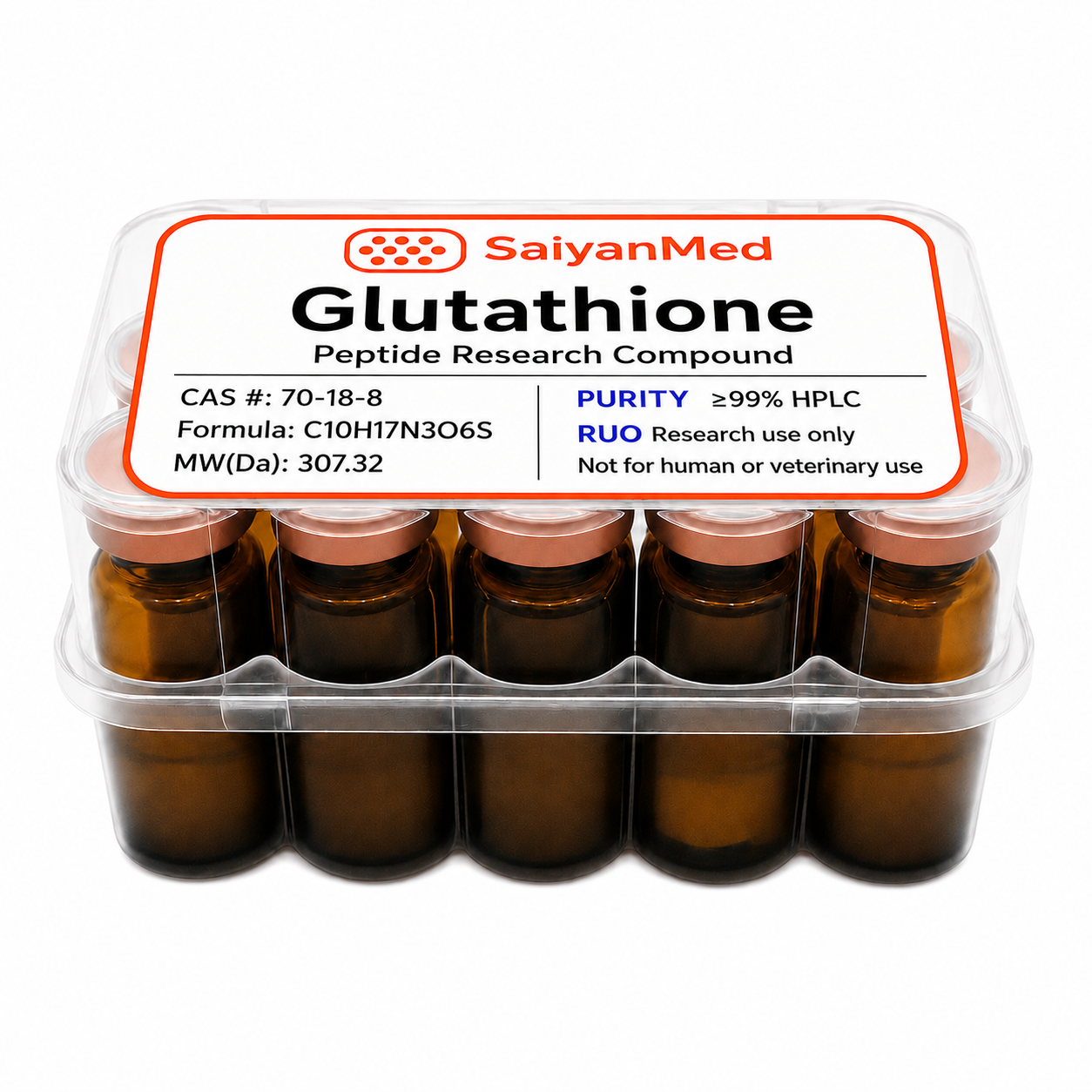
Description
/* Reset & Base */
* {
box-sizing: border-box;
margin: 0;
padding: 0;
}
body {
font-family: ‘Inter’, -apple-system, BlinkMacSystemFont, ‘Segoe UI’, Roboto, Helvetica, Arial, sans-serif;
background: #fff;
color: #1e1e1e;
line-height: 1.6;
}
/* Utilities */
.sm-container {
max-width: 1300px;
margin: 0 auto;
padding: 20px 32px 60px;
width: 100%;
}
.sm-flex {
display: flex;
flex-wrap: wrap;
}
.sm-grid-2 {
display: grid;
grid-template-columns: 1fr 1fr;
gap: 40px;
}
.sm-grid-3 {
display: grid;
grid-template-columns: repeat(3, 1fr);
gap: 24px;
}
.sm-grid-4 {
display: grid;
grid-template-columns: repeat(4, 1fr);
gap: 20px;
}
/* Tabs */
.sm-tab-input {
display: none;
}
.sm-panel {
display: none;
}
#sm-tab-product:checked~.sm-tab-nav label[for=”sm-tab-product”],
#sm-tab-disclaimer:checked~.sm-tab-nav label[for=”sm-tab-disclaimer”] {
background: #F27444;
color: #fff;
border-color: #F27444;
box-shadow: 0 8px 20px rgba(242, 116, 68, 0.25);
}
#sm-tab-product:checked~.sm-product-panel {
display: block;
}
#sm-tab-disclaimer:checked~.sm-disclaimer-panel {
display: block;
}
/* FAQ */
.sm-faq summary::-webkit-details-marker {
display: none;
}
.sm-faq[open] .sm-plus {
transform: rotate(45deg);
}
/* Chips */
.sm-chip {
display: inline-block;
padding: 8px 16px;
border-radius: 999px;
background: #fff4ef;
border: 1px solid #ffd9cb;
color: #F27444;
font-weight: 600;
font-size: 0.9rem;
margin: 4px 6px 4px 0;
letter-spacing: 0.02em;
}
/* Cards & Hover */
.sm-card {
background: #fff;
border: 1px solid #f0e8e4;
border-radius: 28px;
padding: 28px;
transition: all 0.2s ease-in-out;
}
.sm-card:hover {
transform: translateY(-4px);
box-shadow: 0 20px 40px -12px rgba(0, 0, 0, 0.08);
border-color: #F27444;
}
.sm-card-glow {
background: linear-gradient(135deg, #fff 0%, #fff8f5 100%);
border: 1px solid #ffe1d6;
}
/* Specs Zebra */
.sm-spec-grid {
display: grid;
grid-template-columns: 1fr 1fr;
}
.sm-spec-item {
padding: 16px 24px;
border-bottom: 1px solid #f0e8e4;
background: #fff;
}
.sm-spec-item:nth-child(odd) {
background: #fcfaf9;
}
/* Responsive */
@media(max-width:768px) {
.sm-container {
padding: 20px 16px 40px;
}
.sm-grid-2,
.sm-grid-3,
.sm-grid-4 {
grid-template-columns: 1fr !important;
gap: 20px;
}
.sm-spec-grid {
grid-template-columns: 1fr;
}
.sm-tab {
width: 100% !important;
text-align: center !important;
}
.sm-hero-title {
font-size: 32px !important;
}
h2 {
font-size: 24px !important;
}
}
/* Misc */
.sm-tab {
font-size: 1rem;
padding: 12px 32px;
border-radius: 999px;
background: #fff;
border: 1px solid #e0d6d0;
color: #1e1e1e;
cursor: pointer;
font-weight: 600;
transition: all 0.2s;
user-select: none;
}
.sm-tab:hover {
background: #fff4ef;
border-color: #F27444;
}
.sm-hero-bg {
background: radial-gradient(ellipse at 70% 20%, rgba(242, 116, 68, 0.04) 0%, rgba(255, 255, 255, 0) 70%);
}
/* Reference list item hover */
.ref-item {
padding: 16px 20px;
background: #fff;
border-radius: 16px;
border: 1px solid #f0e8e4;
transition: all 0.2s ease-in-out;
}
.ref-item:hover {
border-color: #F27444;
box-shadow: 0 4px 12px rgba(242, 116, 68, 0.08);
}
.ref-item a {
color: #F27444;
font-weight: 700;
text-decoration: none;
}
.ref-item a:hover {
text-decoration: underline;
}
SaiyanMed Research Grade
Glutathione (Reduced)
L‑Glutathione · γ‑Glutamylcysteinylglycine · Master intracellular antioxidant
Research‑grade reduced glutathione (GSH) — the most abundant endogenous tripeptide antioxidant. It serves as the primary intracellular reducing agent for reactive oxygen species (ROS), a cofactor for glutathione peroxidase (GPx), and a central mediator of hepatic detoxification via glutathione S‑transferase (GST) and the γ‑glutamyl cycle. Each vial is lyophilized, ≥99% HPLC pure, MS‑confirmed, and supported by publicly verifiable third-party COAs published in our Trust Center. Available in multiple vial strengths (600 mg and 1500 mg) to suit diverse research models. For research use only — not for human or veterinary use.
≥99% HPLC
MS Confirmed
Third-Party COA
Lyophilized
Multiple Strengths
Global Fulfillment
Endogenous Tripeptide
γ‑Glu‑Cys‑Gly
Designed for research models exploring oxidative stress, redox homeostasis, immune function, and detoxification pathways — with particular emphasis on the GSH/GSSG ratio and glutathione‑dependent enzyme systems.
CAS 70‑18‑8
MW 307.32
RUO
Research Context
Redox‑Sensitive Signaling & Detoxification
Glutathione is the master regulator of intracellular redox balance. Its reduced form (GSH) directly neutralizes ROS and acts as a co‑substrate for GPx and GST, while the ratio of GSH to its oxidized disulfide (GSSG) serves as a key indicator of cellular oxidative stress. Research applications span from basic thiol‑redox biology to drug‑induced hepatotoxicity models and immune cell modulation.
GSH / GSSG
GPx / GST
γ‑Glutamyl Cycle
What is Reduced Glutathione?
L‑Glutathione reduced (GSH, γ‑L‑Glutamyl‑L‑cysteinylglycine, CAS 70‑18‑8) is a naturally occurring tripeptide found in all mammalian tissues. It is synthesized intracellularly from cysteine, glutamate, and glycine via the consecutive actions of glutamate–cysteine ligase (GCL) and glutathione synthetase. The thiol group of cysteine confers its reducing capacity, enabling GSH to participate in direct scavenging of hydroxyl radicals, peroxynitrite, and lipid peroxides, as well as in glutathione peroxidase‑mediated reduction of H₂O₂ and organic hydroperoxides.
In research settings, GSH is indispensable for studying the γ‑glutamyl cycle (which involves GGT, GSS, and GSR), the maintenance of protein thiol‑disulfide status, and the detoxification of xenobiotics through glutathione S‑transferase conjugation. Its short half‑life and rapid turnover make it a dynamic biomarker for cellular redox status.
This reduced form is the biologically active species; oxidized glutathione (GSSG) is readily reduced back to GSH by glutathione reductase (GSR) at the expense of NADPH. The GSH/GSSG ratio is a cornerstone metric in oxidative stress research.
🧪 Research Applications
①
Oxidative Stress Quantification
Measure ROS scavenging, lipid peroxidation (MDA, 4‑HNE), protein carbonylation, and the GSH/GSSG ratio as indices of cellular redox imbalance.
②
Glutathione Peroxidase / S‑Transferase Assays
Evaluate enzyme activity and inhibition in models of H₂O₂ metabolism, organic peroxide reduction, and phase II detoxification of electrophiles.
③
Immune Function & Redox Signaling
Investigate lymphocyte proliferation, NK cell activity, and Th1/Th2 cytokine balance under GSH depletion or repletion.
④
Hepatotoxicity & Drug Metabolism
Model acetaminophen‑, CCl₄‑, or ethanol‑induced liver injury via GSH depletion and monitor the protective effects of GSH precursors.
⑤
Glutathione Cycling & Turnover
Study the dynamics of GSH synthesis, degradation, and recycling via GCL, GGT, GSR, and the γ‑glutamyl cycle in various tissues.
⑥
Redox‑Sensitive Transcriptional Regulation
Explore the role of GSH in modulating Nrf2, NF‑κB, and AP‑1 pathways under both physiological and pathological conditions.
📊 Quick Specs
Form: Lyophilized powder (white to off‑white)
Purity: ≥99% by HPLC
Identity: MS molecular‑weight confirmed
CAS Number: 70‑18‑8
IUPAC / Sequence: γ‑L‑Glutamyl‑L‑cysteinylglycine
Molecular Formula: C₁₀H₁₇N₃O₆S
Molecular Weight: 307.32 g/mol (free acid)
Compound Type: Endogenous tripeptide, thiol cofactor
Primary Target: Direct ROS scavenging; GPx / GST substrate
Modification: Reduced form (free thiol); no oxidation
Half‑Life in Aqueous Solution: ~2‑4 hours (oxidizes to GSSG); store and use fresh
Available Strengths: 600 mg, 1500 mg per vial (research‑grade)
COA: Third-party lab tested — publicly verifiable
Manufacture: Lyophilized & QC-released in-house
Storage: −20°C sealed, anhydrous | 2–8°C reconstituted (use within 7‑14 days)
Shelf Life: 24 months unopened (lyophilized)
VERIFIED
Certificate of Analysis
Independent Third-Party Validation
Transparency is central to our quality assurance. Batches undergo orthogonal analytical testing by an independent third‑party analytical testing service. The resulting Certificate of Analysis (COA) details specific HPLC chromatograms and MS spectra for that lot. End‑users can cross‑validate the document online via the SaiyanMed Trust Center using the unique batch identifier printed on the vial label.
Batch‑specific documentation ensures full traceability for your laboratory records. Always confirm the batch reference matches the product vial before use.
📦 Storage & Handling
🧊 Storage
Lyophilized vials: store at −20°C, sealed, protected from light and moisture. Glutathione is sensitive to oxidation; ensure vials are kept anhydrous. After reconstitution: store at 2–8°C and use within 7‑14 days (oxidation to GSSG is time‑dependent; fresh preparation is recommended for critical experiments). Avoid repeated freeze‑thaw cycles. Do not use if the reconstituted solution appears cloudy or discolored.
💧 Reconstitution
Add 1–2 mL of sterile diluent (e.g., bacteriostatic water or saline) slowly down the inside wall of the vial. Do not shake or vortex; swirl gently until fully dissolved. Glutathione dissolves readily at room temperature to a clear, colorless solution. To minimize oxidation, prepare working solutions immediately before use and avoid prolonged exposure to air.
🚚 Fulfillment & Transit Notice
Global logistics: To maintain structural integrity, lyophilized peptides are shipped in thermally insulated packaging. While in transit, the product remains stable at ambient temperatures for the typical 7–14 day window. Upon arrival, immediate refrigeration at −20°C is recommended.
Warehouse origin: We strategically ship from the nearest fulfillment center to reduce transit time. US orders are dispatched domestically (5–7 business days); international orders ship from our Asian logistics hub (estimated 7–14 business days).
Customs & duties: While we handle export documentation, import duties or customs inspections are standard procedures for research chemicals and remain the responsibility of the consignee. Delays due to customs are a normal part of international shipping and do not indicate a product issue.
Delays or holds: If your shipment exceeds the estimated window or is held in customs, contact us with your order reference. Our support team will intervene with tracking and carrier coordination, and where applicable, arrange a reshipment per our policy.
Damaged or incorrect items: Inspect your order immediately upon arrival. If a vial is damaged or an item is incorrect, contact us within the stated policy period with photos for prompt resolution.
⚠️
Research Use Only
This material is supplied only for qualified laboratory research and is not intended for human or veterinary use.
Research Use Only
Not for Human Consumption
SaiyanMed products are strictly for in vitro and in vivo laboratory research. They are not intended for diagnostic, therapeutic, medical, disease‑prevention, consumer health, or personal use.
All SaiyanMed products are supplied for laboratory, scientific, and research use only. They are not for human consumption, medical treatment, diagnosis, disease prevention, or veterinary use.
✅ Buyer Confirmation
✓ You are a qualified researcher or acting under the supervision of one.
✓ Products will only be used for legitimate research purposes.
✓ Products are not evaluated by the FDA or any regulatory authority for human use.
✓ You assume responsibility for legal compliance, proper handling, storage, and disposal.
No Warranty: Products are sold “as is,” with no express or implied warranties regarding efficacy, safety, or suitability. Results in research may vary. SaiyanMed is not responsible for outcomes, interpretations, or conclusions drawn from any studies conducted using these products.
🛡️ General Safety & Handling
🚫 Not for Human Use
These compounds are for research only. Any off‑label, personal, or clinical use is outside the intended scope.
🥽 PPE Required
Always use appropriate personal protective equipment, including gloves, lab coat, and eye protection.
🌡 Storage Compliance
Follow product‑specific storage conditions to maintain identity, purity, and biological activity.
🗑 Proper Disposal
Dispose of all materials according to institutional biosafety, chemical waste, and hazardous material protocols.
🧾 Verify Quality
Verify batch identity, MS confirmation, HPLC purity, and COA status before research use.
⚖ Legal Compliance
Researchers are responsible for lawful purchase, possession, storage, and use in their jurisdiction.
💬 Frequently Asked Questions
How do I reconstitute Glutathione?+
Add 1–2 mL of bacteriostatic water or sterile saline to the lyophilized glutathione vial. Dissolves readily to a clear solution. Glutathione is sensitive to oxidation — we recommend using it within 7–14 days of reconstitution and avoiding prolonged exposure to air. For best results, prepare fresh solutions for each experiment.
How should Glutathione be stored?+
Lyophilized vials should be kept at −20°C, protected from light and moisture. After reconstitution, store at 2–8°C and use within 7–14 days. Note that reduced glutathione (GSH) is susceptible to oxidation — it converts to GSSG over time in aqueous solution. For sensitive assays, use freshly reconstituted material.
What purity is SaiyanMed Glutathione and how is it verified?+
Published lots are ≥99% pure by quantitative HPLC and identity‑confirmed by high‑resolution mass spectrometry. A third-party COA is published for tested batches and can be independently verified online using the batch‑specific identifier printed on the vial.
What research applications is this suitable for?+
Glutathione is used extensively in oxidative stress research, GPx/GST activity assays, immune cell function studies, hepatotoxicity models, and investigations of the γ‑glutamyl cycle and redox‑sensitive transcription factors (Nrf2, NF‑κB). It is also a key tool for studying the GSH/GSSG ratio as a biomarker of cellular redox status.
Where does it ship from?+
Orders are dispatched from the nearest available warehouse – US domestic orders from our US fulfillment center, international orders from our Asian hub. Estimated delivery is 5–7 days for US and 7–14 days for global shipments, with tracking provided.
Is this intended for human use?+
No. This material is strictly for laboratory research use only and is not intended for human consumption, diagnosis, treatment, disease prevention, or any personal use. It is not a pharmaceutical product.
📚 References
The following references provide background biological and regulatory context for glutathione research. They support the broader framework of oxidative stress, detoxification, and thiol‑redox biology.
Forman HJ, Zhang H, Rinna A (2009):
Glutathione: overview of its protective roles, measurement, and biosynthesis. Mol Aspects Med. 2009 Feb-Apr;30(1-2):1-12.
View at PubMed ↗
Lu SC (2013):
Glutathione synthesis. Biochim Biophys Acta. 2013 May;1830(5):3143-53.
View at PubMed ↗
Ballatori N, Krance SM, Notenboom S, et al. (2009):
Glutathione dysregulation and the etiology and progression of human diseases. Biol Chem. 2009 Mar;390(3):191-214.
View at PubMed ↗
Note on nomenclature: Reduced glutathione (GSH) is the biologically active thiol form, distinguished from oxidized glutathione (GSSG). CAS 70‑18‑8 refers to the reduced form. Researchers should verify the redox state of their material via HPLC or enzymatic assays prior to use.
Reviews
There are no reviews yet.